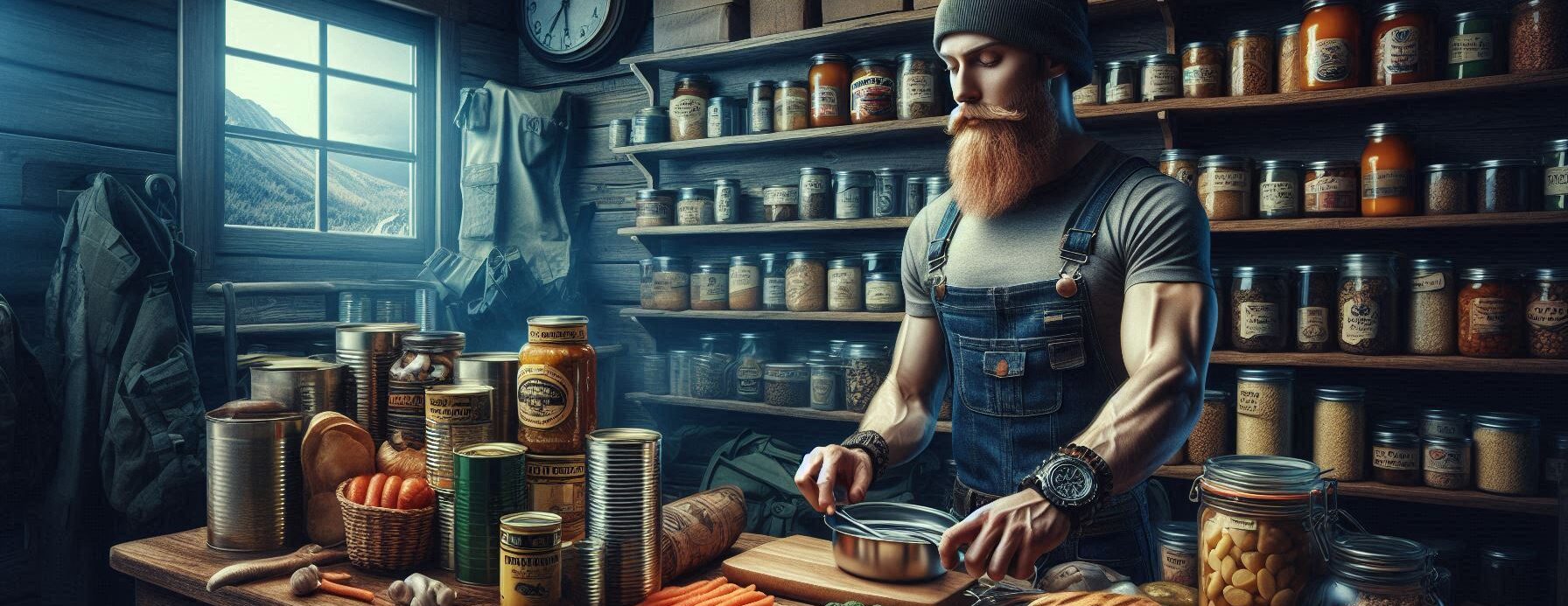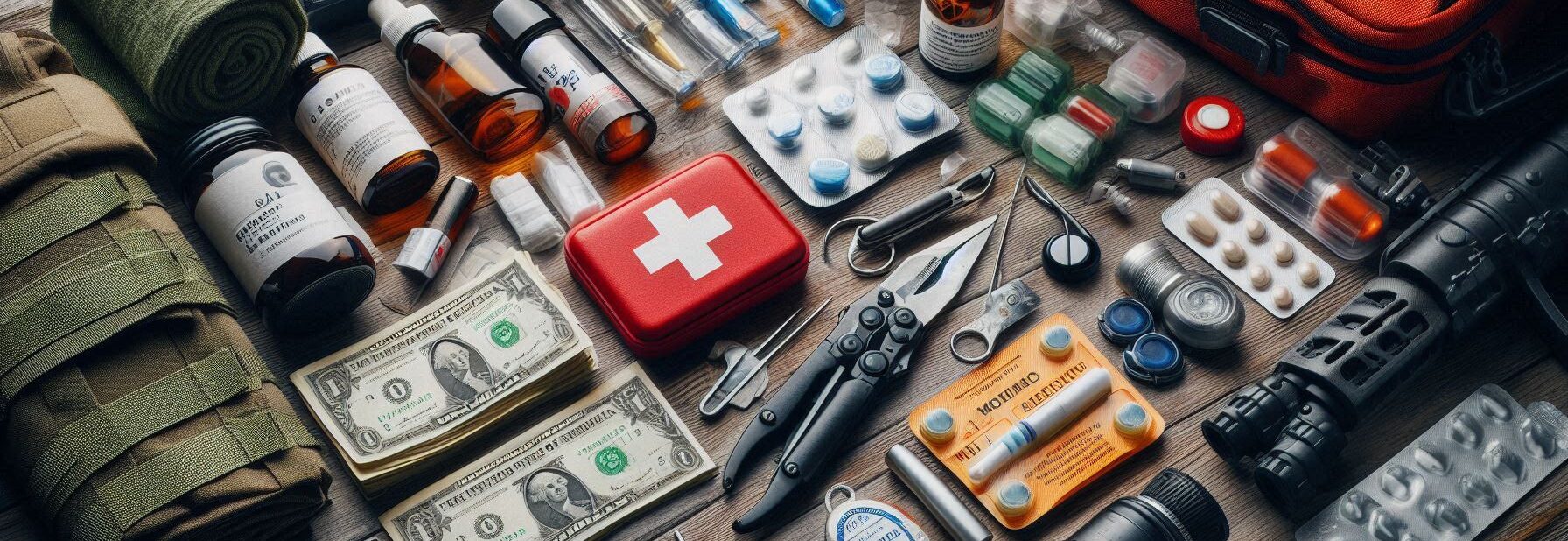
Top Takeaways and Key Concepts
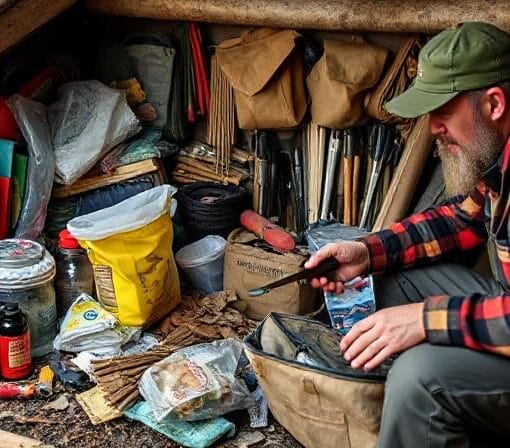
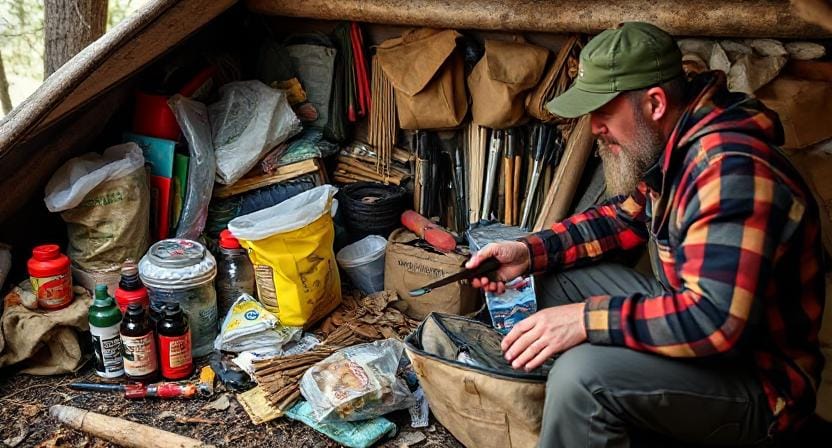
→ Pack essential survival gear like water, food, first aid, fire tools, and a reliable knife.
→ Choose multipurpose tools such as a sturdy multi-tool, paracord, and a waterproof backpack.
→ Prioritize water safety by carrying purification tablets and a collapsible canteen for clean hydration.
→ Prepare for emergencies with flashlights, flares, and compact medical supplies for quick response.
→ Practice using your kit before heading out to ensure confidence and readiness in any situation.
Summary of This Article
This article delivers a practical, humorous guide to building a reliable survival kit that keeps you alive and prepared in any wilderness challenge. It highlights must-have items like a sharp knife, multi-tool, rope, fire starters, and water purification tablets, emphasizing efficiency, portability, and preparedness. The author reminds readers that survival is equal parts gear and mindset—pack smart, stay alert, and know how to use every item before you need it.
Short Video Version of this Article
Okay, let’s talk about putting together a survival kit. I know you’d rather be playing video games or going to the golf course. But hold on. This is kind of a big deal.
Imagine you’re out in the bush all by yourself with only your backpack and your mind. It’s like a video game in real life. But, oh no, the risks are much higher than just losing a level.
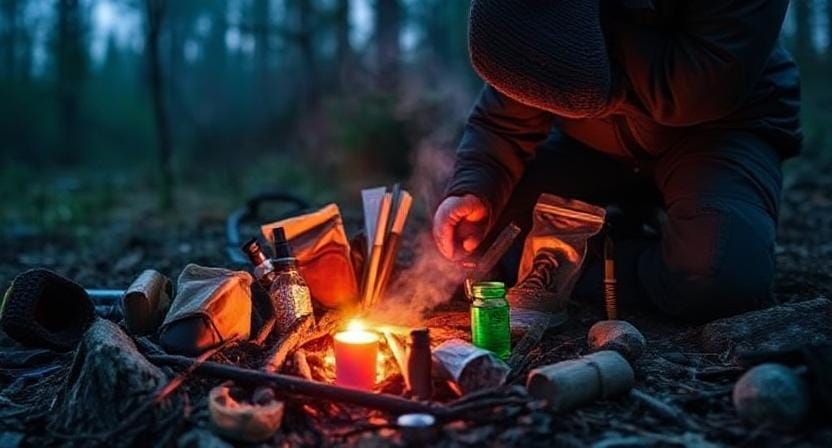
Making a survival kit can help keep you safe. You don’t need fancy things. Just the basics. Consider food, drink, and shelter. A small bottle of water can make a big difference. Snacks are also excellent. Granola bars? Yes, please! They give you the strength to keep going.
Don’t forget to bring a map and a compass. GPS is great, but the batteries run out. When it gets dark, a flashlight is great. And maybe a kit for first aid. Only a little one. Band-aids and other things for those minor bumps.
Put in some matches or a lighter to create a fire. Fire can cook meals and keep you warm. It’s also comfortable. You also need a nice pocketknife. Very helpful for a lot of things.
Get a blanket for space. They are quite light and will keep you warm. They can help even if it’s not really cold outside. Think about this for a minute. It’s all easy to fit in a backpack.
You’ll feel more ready if your survival gear is ready. You’ll be ready for everything that comes your way. You can jump right into new adventures! Let’s put this kit together now. You never know where your next journey will lead you.

A Really Good Knife is the Best Tool
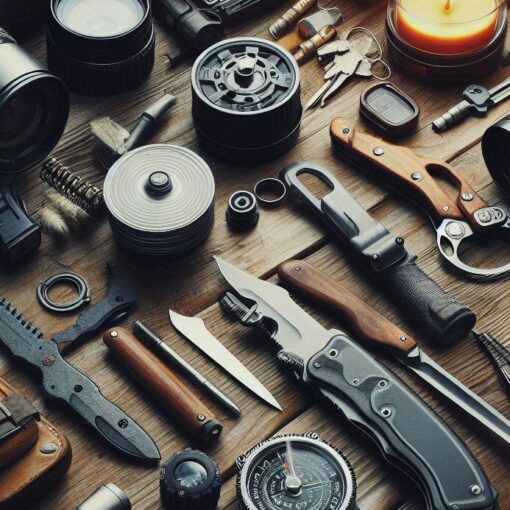
First of all, if you have a survival kit, it should feature a knife that would make Rambo jealous. Just so you know, this isn’t just for cutting apples. You can use a good knife to make a shelter, catch meals, or keep wild creatures (or your bothersome relative who constantly wants to borrow your stuff) away. You don’t want a weak butter knife when you’re trying to stay alive in the wild, so get the best one you can.
How to Start a Fire: It’s Not Just for Pyromaniacs
Let’s talk about fire now. You need to create a fire if you don’t want to freeze your toes off or eat raw squirrel. No, rubbing two sticks together like they do in cartoons won’t work. Bring some matches that won’t get wet, a magnifying glass, and maybe some flint and steel. Think of it as having more than one life in a game: if one way doesn’t work, you have another.
Tinder: Small but Powerful
You need something to start the fire, by the way. Put some cotton balls or dryer lint in a bag that won’t get wet. Yes, the things that come out of the washing machine can help you live. Who would have thought that laundry could be so helpful?
Ouch! Medical Supplies
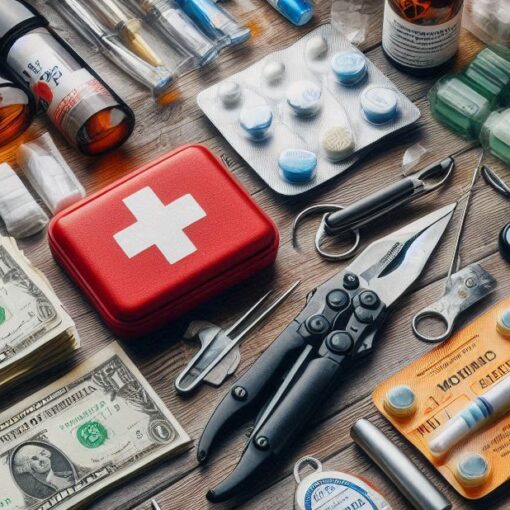
No one wants to think about getting wounded, but it’s better to be ready. Don’t bring too much stuff; just the essentials will do. A few bandages, some medications, and maybe a tourniquet if you want to be fancy. Keep in mind that this is a survival pack, not a doctor’s office.
The Multi-Tool: The Swiss Army of Tools
The next thing we have is the multi-tool. It’s like the MacGyver of your kit: it has pliers, screwdrivers, a can opener, and maybe even a corkscrew for when you need to open that emergency bottle of grape juice. This little creature can do almost anything, but it might not be able to make you breakfast.
Water, water, everywhere… But Not a Drop to Drink
Water is life, kid. You might have a stomach ache if you drink from a random stream, and you’ll regret you hadn’t. That’s why you need tablets to clean the water. Even though they’re small, they can make dirty water safe to drink. And don’t forget a canteen. A folding one is best because it doesn’t take up much room.
Ropes & Strings: Cordage
Have you ever tried to tie a knot using dental floss? Most likely not. That’s why you need some real rope in your pack. A combination of paracord and nylon rope should work. This stuff is a godsend, whether you’re making a shelter or tying up your gear. You can also pretend to be Spider-Man in the woods.
Fishing and Hunting Gear For Catching Dinner
You need to catch some food unless you want to live on berries (which you should be careful about because some of them are deadly). A simple fishing gear with line, hooks, and maybe even a net will help you catch meals. And if you’re lucky, your survival knife can do the rest.
Light Up: Flares and Flashlights
Things get scary out there after the sun goes dark. Bring a flashlight, some glow sticks, and maybe a flare or two. Flares can do more than just light up the night; they can also scare away animals or call for aid. And what about glow sticks? They are like the lights that come on at night in the woods.
This is what you need: a waterproof pencil and paper.
Have you ever tried to write on wet paper? Using a wet noodle as a sword is about as useful as this. You need a pencil and waterproof paper for that reason. This stuff won’t let you down, whether you’re writing a note for someone to find or navigating your way home.
Pack It Up: Picking Your Survival Bag
Now, where are you going to keep all this great stuff? You need a bag that is big, strong, and won’t fall apart when you look at it funny. Pick anything that is composed of thick cloth and has sturdy stitching. Zippers are fine, but they can break, so you might want to think about getting a bag with straps and buckles instead. And make sure it fits—you don’t want to carry a bag that’s bigger than you are.
The Art of Stuffing a Bag: How to Pack It Right
When you pack your luggage, it’s like playing Tetris, except with survival supplies instead of colorful bricks. Put the things you won’t need right away at the bottom and the ones you will need right away at the top. And don’t forget to tie big things like blankets or rope to the outside. More room inside for munchies, I mean, more critical gear.
A Quick Look at Weapons
Oh, weapons. Not really for kids, but you might need one if you have to survive. A lot of people choose a rifle, shotgun, or bow. They are fantastic for hunting and protecting yourself, but you should also get a smaller gun, such a pistol or revolver. You know what they say: “With great power comes great responsibility.”
Packing Rations: Something to Think About
Last but not least, let’s talk about food. You need things that won’t go bad quickly and have a lot of calories. Peanut butter, beef jerky, and nuts are among examples. They’re like the superhero snacks of the surviving world: tiny yet full of energy.
Repetition Makes Perfect
Take some time to practice before you dash off into the wild with your new survival pack. Be sure you can utilize everything in your bag and know where it everything is. And don’t forget that using your head is just as important as having the correct tools to stay alive. So be sensible, be safe, and maybe let the pros handle the really wild stuff.
Featured Snippet: Building a survival kit ensures safety, confidence, and preparedness in any outdoor challenge. By including essential tools like knives, fire starters, and purified water, adventurers can stay ready for unexpected situations and focus on enjoying their wilderness experiences responsibly and safely.
Frequently Asked Questions
What are the most essential items for a survival kit?
Your kit should include water, food, a knife, fire-starting tools, a first aid kit, and shelter materials.
Why is a knife considered the most important survival tool?
A sturdy knife helps with food preparation, shelter building, and protection, making it crucial for survival.
How should I purify water in the wilderness?
Use purification tablets, portable filters, or boiling methods to ensure water is safe to drink.
What type of bag works best for carrying survival gear?
Choose a durable, waterproof backpack with reinforced stitching and compartments for organization and comfort.
How can I start a fire if my lighter doesn’t work?
Carry backup options like waterproof matches, flint and steel, or a magnifying glass for multiple ignition methods.
What kind of food should I pack in a survival kit?
Pack non-perishable, high-calorie items like nuts, jerky, granola bars, and peanut butter for long-lasting energy.
Why is it important to practice using your survival gear?
Familiarity builds confidence—knowing how to use your tools effectively can make all the difference in an emergency.

Kevin Collier is a seasoned outdoor enthusiast and writer for Trekbug.com, specializing in outdoor adventures, survival strategies, and prepping insights. With a deep love for nature and a commitment to self-sufficiency, Kevin empowers readers to embrace the wilderness confidently. He shares valuable tips, practical techniques, and inspiring stories, helping both novice and experienced adventurers develop essential skills for surviving and thriving in the great outdoors.