Top Takeaways and Key Concepts
- Carry essential survival gear including water filtration, multi-tool, flashlight, and extra clothing.
- Pack reliable food and water using lightweight meals, energy snacks, and purification methods.
- Include first aid essentials to handle common injuries and prevent infections outdoors.
- Use navigation tools correctly with a map, compass, or GPS backup to avoid getting lost.
- Strengthen mental resilience through calm thinking, problem-solving, and preparedness confidence.
Summary of This Article
This article explains how a simple survival checklist can greatly increase your safety and confidence outdoors. It emphasizes packing essentials like water treatment tools, nutritious food, first aid supplies, and multipurpose tools. It also highlights the importance of fire-making, shelter, navigation skills, and staying mentally prepared during emergencies. With the right gear and mindset, anyone can handle unexpected challenges and enjoy safe wilderness adventures.
Short Video Version of this Article
Imagine being outside, surrounded by big trees and the sweet smell of pine. Isn’t it magical? You feel so alive! But what if things don’t go as planned? What if it turns into a life-or-death situation? It seems intimidating, yet a good checklist may help us be ready for anything.
A survivalist checklist is like a superhero cape. It gives you a sense of safety and readiness. Let’s talk about certain things we actually need.
First, let’s get some water! Keeping hydrated is really important. We won’t become thirsty if we have a water bottle or a technique to filter water. I mean, who wants to go hiking with a dry mouth?
Now it’s time for munchies! Nuts and granola bars are examples of protein-rich foods that might make us feel better. A good snack is the finest way to get your energy back when you’re fatigued.

We can’t forget to bring first aid supplies. It’s a good idea to have band-aids, disinfectant wipes, and some painkillers on hand. We can mend it straight quickly if we trip or have a minor scratch. Not fun, but it does happen!
You also need a multi-tool. It can do a lot of things! Do you need to cut a rope or open a can? It has your back. Just think of all the things you can do with it!
It’s important to have warm clothes, especially if the weather changes. A warm extra layer can make you feel so much better.
When night sneaks up on us, a flashlight is great. And a whistle! It may be little, but it’s powerful. If we get lost, blowing a whistle can help people find us.
You can fit all of this in a backpack. We can focus on the enjoyment now that everything is ready. Just think of how nice it would be to explore without worrying, knowing we have everything we need to deal with anything.
These small pieces of advice can make a big difference. Let’s keep that list close by. You never know when it might be useful. Have fun on your adventures!
Essential Gear for Survival
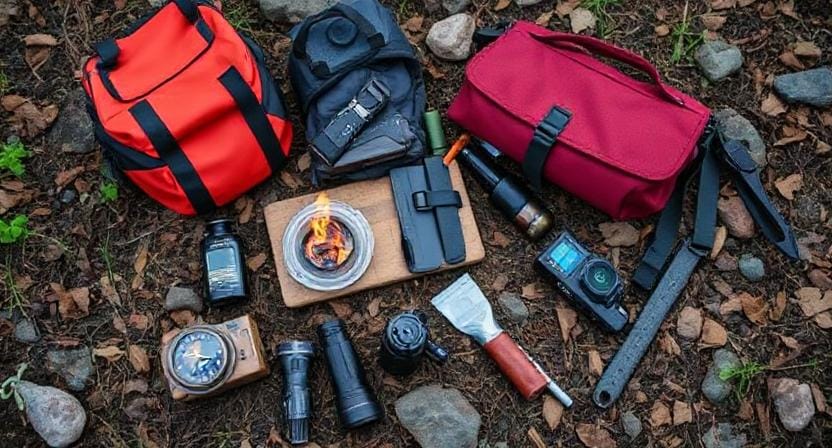
First, let’s talk about the hardware. Having the correct tools might mean the difference between doing well and just getting by. Think of your gear as your loyal partner, always ready to aid when things go rough.
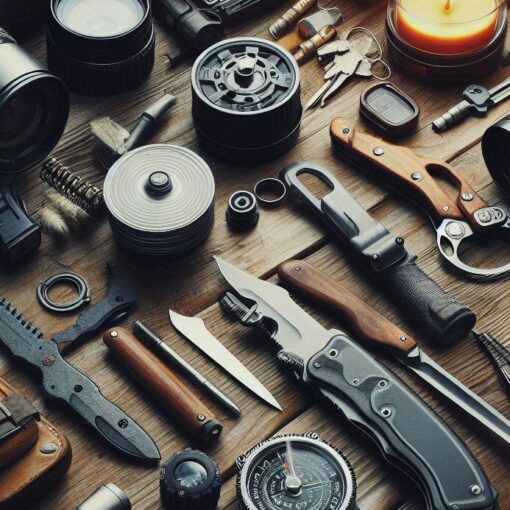
You need to have a nice knife. It’s not simply a tool; it’s like having a pal who can do anything from cut rope to cook. Find one that fits well in your palm and can do a lot of different things without breaking.
Now we need to talk about a good way to ignite a fire. You know, a reliable lighter, waterproof matches, or even a flint striker. Even though they look small, it’s really vital to start a fire. It can keep you warm, help you cook, and even let people know you need help. Just remember about those cold evenings when you could see the stars. A campfire that roars makes everything feel warm and inviting.
And you know what? We shouldn’t forget about the materials for housing. Having a little tarp or an emergency blanket is like having a good friend. It can keep you warm and dry by protecting you from rain or wind. When the wind blows outside, picture yourself snuggled under that blanket. So nice!
If you’re feeling crafty, why not learn how to make shelters out of natural materials? You may improve your skills in a fun way by using branches and leaves. And when you tell your buddies about it, you’ll have a lot to brag about over the campfire.
Fire and shelter are like best buddies in the wild. When you’re out there, they can make all the difference. It can be fantastic to stay warm, make meals, or just sit around a fire and tell stories. It’s all about making the most of those times. When you’re ready, being in nature can be great, therefore let’s keep these instruments close by!
Food and Water Supplies

Okay, let’s talk about food and water supplies now because no one likes to be hungry while trying to stay alive! First of all, always have a portable filter or water purification pills with you. You need clean drinking water; without it, you might be in big trouble in just a few days.
When it comes to meals, look for selections that are light yet still healthy. Energy bars are great because they are little and full of calories. You might also want some meals that are dehydrated and only need hot water to make. It’s that simple!
It’s a good idea to bring some basic fishing gear if you’re going to a place where you might fish or hunt. You might need a rod, a reel, or perhaps some snares to catch tiny game. You could catch your own meal instead of eating snacks that come in a packet. That’s a lot more fun and can give you the energy you need. Think about how exciting it would be to catch a fish or lay a trap and find something within.
And don’t forget that you can eat plants that are good for you. It’s like a small hunt for riches. It might be quite useful to learn about plants that grow in your area. When you become hungry (and you will, trust me), you’ll want to have safe snacks on hand. Picture finding some wild berries or dandelions to eat. That would be really great! It’s nice to know that you can count on nature to help you out.
Those tiny surprises are what being in the woods is all about. Bringing your stuff can make a normal hike into an adventure. It improves your experience better whether you’re catching a fish or eating some vegetables.
First Aid Essentials
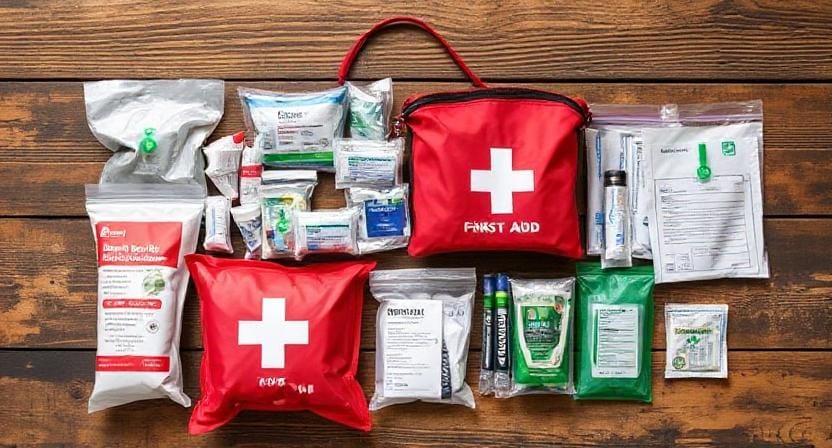
Now onto an often-overlooked aspect: first aid essentials! Accidents happen—even seasoned adventurers find themselves tripping over roots or getting stung by bees. So why not be prepared?
Start with a well-stocked first aid kit containing bandages, antiseptic wipes, gauze pads, adhesive tape, pain relievers like ibuprofen or acetaminophen—and don’t forget any personal medications you might need regularly!
Packing for a trip out in nature? Don’t overlook items for wilderness injuries. A snake bite kit and splints for sprains or fractures are super handy. It might seem like a lot, but trust me, when you’re out there, having those little extras can really make a difference.
Take a moment before you head out to learn some basic first-aid skills. You know, like how to treat a cut or what to do if someone twists an ankle. You never know when you’ll need them. And, oh, the peace of mind you get! It’s like adding a safety net to your adventure.
Thinking about learning more? Look into wilderness medicine courses! They can teach you fantastic things. You’ll learn skills that can save lives. Not just yours, but maybe even a buddy’s. Imagine being out on a hike and knowing you can help someone in trouble. That’s a great feeling.
Plus, it can make the whole experience richer. You’re not just enjoying the beauty of nature. You’re also prepared for whatever comes your way. You’ll feel more confident. And who knows? You might just inspire others to learn too. That’s what it’s all about, right? Helping each other out in this wild ride called life.
Navigation Tools

Are you lost in the woods? Not while I’m in charge! Any survivalist checklist should have good navigation tools on it. Get a decent map of your area first. Knowing where you are will help you avoid unnecessary diversions and possible panic attacks!
Because technology isn’t always reliable (hello dead batteries!), you should always have a map and a compass. When GPS fails or, even worse, when there is no mobile service, knowing how to interpret both can give you power.
Want to go on a little adventure? A GPS that fits in your hand can change the game! If you become lost, these are useful for finding your route. A lot of them have great features like tracking waypoints. If things don’t go as planned, it makes it a lot easier to get back on track. Just think about it: you’re out there and you don’t have to worry about getting lost.
But here’s the deal. Before you leave, do some practice. Learn how to read maps. It’s not just about technology; it’s also about learning how to read the area around you. Look at the rivers, hills, and pathways. You’ll feel more sure of yourself the more you know.
You should feel pleased about going through nature’s maze. Picture being out there, not simply wondering about, but knowing exactly where you’re headed. That feeling is the finest! You can enjoy anything better when you’re ready.
And if you’re ever not sure, just remember that it’s fine to take a break and think. Nature has its own rhythm, and we have to keep up with it. It can be hard to find your way around, but with little practice, it becomes second nature. You might even find new paths that you didn’t realize were there! How much fun is that?
Mental Preparedness
Lastly, but by no means least, mental readiness! It’s not just about having the right physical tools; it’s also necessary to build our own resilience, which is a talent that people frequently forget about until they have to deal with problems head-on.
Start by using positive thinking tactics. When challenges come up on excursions, focus on finding solutions instead of problems. This change in perspective may make all the difference between giving up and pushing through when the chances are against you!
You know, it’s actually nice to take a moment to breathe and be here. Meditation and other mindfulness techniques can really help with it. Imagine being in a busy situation and instead of freaking out, you just stop for a second and take a deep breath. It’s remarkable how peaceful you may feel after a lot of practice. You can think more clearly, make better decisions, and deal with stress much better when you are calm. It’s like having your own superhero!
Do you remember when things seemed too hard to handle? Using things you’ve learned in the past can help you feel more sure of yourself. Give it some thought. You have been stronger with every problem you’ve had to deal with. Do you know that you’ve done hard things before? That helps a lot. You may look back and say, “Hey, I can do this!”
It can be scary to face new problems. But it helps to remember what you’ve already done. You’ve learnt and developed, and now you just need to move on with what you’ve learned. Think of it as putting some wisdom in a small backpack for your trip.
Being aware and learning from what has happened before? When things get hard, such tools can help you see the way. You have the talents, and you’re becoming better all the time. Take a deep breath and have faith in yourself. You can do more than you think!
Featured Snippet: A survival checklist helps you stay safe, calm, and prepared outdoors by ensuring you pack essential gear like clean water, food, navigation tools, and first aid. Being organized and mentally ready reduces risks and builds confidence during unexpected outdoor challenges.
Frequently Asked Questions
What are the most important survival items to pack first?
The most important items include a water filter, multi-tool, flashlight, first aid kit, fire starter, and extra clothing to stay warm and safe in changing conditions.
How much food and water should I bring for survival?
Pack lightweight, high-energy food such as protein bars or nuts and carry at least one liter of clean water plus a purification method for refills.
Why is a first aid kit essential in survival situations?
A first aid kit helps treat cuts, burns, bites, and minor injuries quickly, preventing infection and buying time until professional medical help is available.
What navigation tools should I include in a survival kit?
Always bring a detailed paper map, a reliable compass, and a GPS device or offline maps to navigate safely without cell service.
How can I stay warm and dry outdoors during emergencies?
Packing a thermal blanket, waterproof tarp, and extra clothing layers helps prevent hypothermia and keeps you protected from harsh weather.
Why is mental preparedness important in survival?
Mental strength helps you stay calm, think clearly, and make smart decisions under pressure, improving your chances of survival.
How often should I update my survival checklist?
Review and restock your gear every three to six months, replacing expired food, batteries, water filters, and medical supplies.
Suggested Resources:
Ultimate Guide to Wilderness Survival
https://www.wilderness-survival.net/ultimate-guide-to-wilderness-survival/
Survival Skills 101: How To Stay Alive in the Wild
https://www.outdoorlife.com/survival-skills-101-how-to-stay-alive-in-the-wild/
Basic First Aid Tips for Outdoor Adventures
https://www.redcross.org/get-help/how-to-prepare-for-emergencies/first-aid-basics.html

Kevin Collier is a seasoned outdoor enthusiast and writer for Trekbug.com, specializing in outdoor adventures, survival strategies, and prepping insights. With a deep love for nature and a commitment to self-sufficiency, Kevin empowers readers to embrace the wilderness confidently. He shares valuable tips, practical techniques, and inspiring stories, helping both novice and experienced adventurers develop essential skills for surviving and thriving in the great outdoors.